

How Exterior Cladding Helps Shield Brick and Block Walls From Damage
Protecting masonry with house siding is a smart way to guard brick, stone, or block walls from water, wind, and surface wear. Siding acts like a shield. It covers the outer wall and reduces direct exposure to rain, sun, and freezing temps. Over time, this extra layer can help masonry last longer and need fewer repairs.

Why Prevention Matters for Masonry Walls
Masonry looks strong, and it is. But it is also porous. That means water can seep into tiny gaps and cracks. When temps drop, that trapped water can freeze and expand. This can cause cracks, loose mortar, and even crumbling brick faces.
Wind-driven rain can also push moisture deep into the wall. Over years, this may lead to stains, mold inside the home, or weak spots in the structure. House siding helps block much of that moisture before it reaches the masonry surface.
Adding siding is not just about looks. It adds a layer of defense that helps prevent costly repairs later.
Early Warning Signs Your Masonry Needs Protection
If your masonry is already showing wear, siding may help stop further damage. Look for these signs:
- Cracks in mortar joints
- White powdery stains on brick (efflorescence)
- Loose or flaking brick faces
- Damp spots on inside walls
- Mold or musty smells indoors
These issues often point to ongoing moisture problems. Covering the exterior with house siding can reduce how much new water reaches the wall.
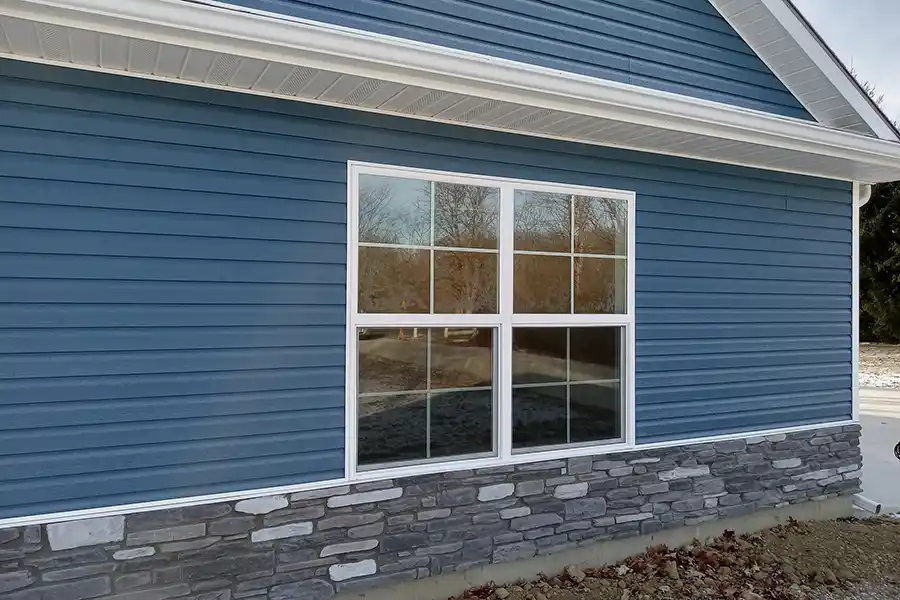
Seasonal Checklist to Protect Masonry
Before installing siding, and even after, routine checks matter. A simple seasonal checklist can help you stay ahead of damage:
- Inspect mortar joints for cracks each spring.
- Check for clogged gutters and downspouts.
- Look for standing water near the foundation.
- Seal small cracks before they spread.
- Wash away dirt and mildew buildup.
If you plan to add house siding, this is also the time to confirm the masonry underneath is sound. Covering damaged brick without repairs can trap existing moisture inside the wall.
Best Practices for Long-Term Results
Good results depend on proper setup. When installing siding over masonry, a moisture barrier is key. This barrier sits between the wall and the siding panels. It helps direct water away from the structure.
Furring strips are often used to create a small air gap. That gap lets moisture dry out instead of getting stuck. Ventilation behind the siding can make a big difference in humid or rainy areas.
Material choice also matters. Vinyl siding is low maintenance and resists rot. Fiber cement is strong and handles harsh weather well. Engineered wood offers a natural look with added durability.
No matter the material, correct fastening and spacing help the siding move slightly with temperature changes. This reduces warping and stress on the outer wall.
What Not to Do
Some mistakes can shorten the life of both the siding and the masonry underneath.
- Do not skip repairing damaged mortar first.
- Do not install siding without a weather barrier.
- Do not block weep holes in brick walls.
- Do not ignore drainage issues around the home.
Another common mistake is sealing brick completely with non-breathable coatings before adding siding. Masonry needs to release trapped moisture. Blocking that process can lead to hidden damage.
When to Schedule Professional Help
If your home has deep cracks, bowing walls, or heavy water stains, get a full inspection before adding house siding. Structural movement or foundation problems need attention first.
Homes in wet or freeze-thaw climates benefit most from expert planning. A contractor can check wall condition, recommend the right moisture barrier, and install siding so it performs well for many years.
Professional installation also helps protect manufacturer warranties. Poor installation can cause panels to loosen, buckle, or leak.
Protect Your Masonry the Right Way
At P & P Stone Construction LLC, we help homeowners add strong, reliable house siding that protects masonry walls from daily wear and harsh weather. We serve families throughout Des Moines, IA with careful inspections and proper installation methods designed to guard against moisture problems. If you would like a clear plan to protect your brick or block exterior, call us at (515) 328-8166 and we will be glad to help.